Pros and Cons of BOPP as an Outer Layer in Flexible Packaging
Source:
|
Author:selina
|
Release time:2026-01-12
|
114 Second visit:
|
🔊 Click to read aloud
❚❚
▶
|
Share:
BOPP is a cost-effective, glossy outer layer for flexible packaging. This article reviews its printability, clarity, and barrier performance in food-grade applications, comparing it with PET and emphasizing its use with custom gravure printing and SPOT UV pouches.
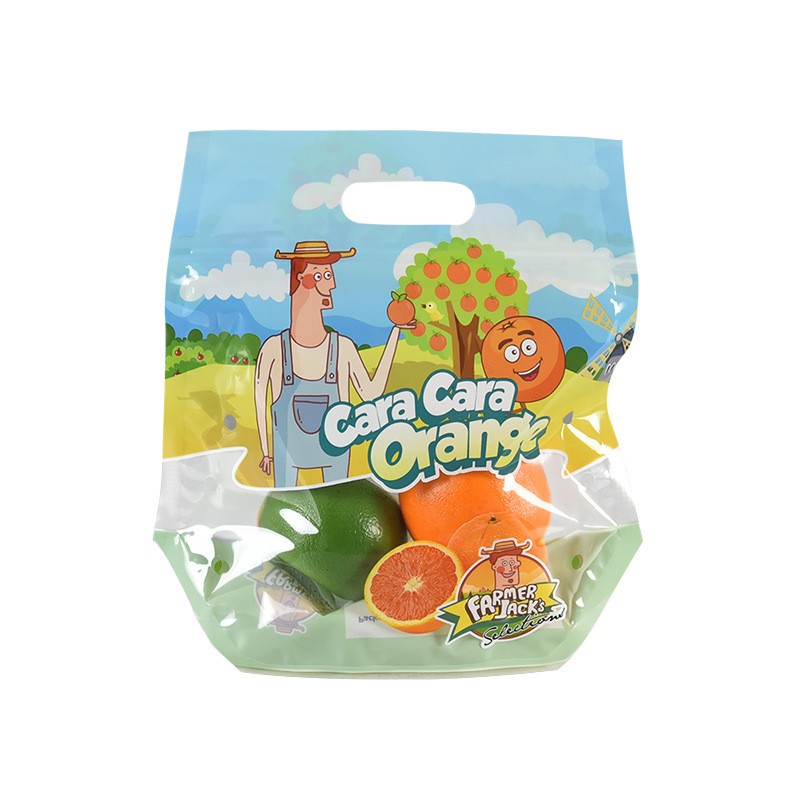
Advantages and Disadvantages of BOPP as an Outer Layer in Plastic Packaging
BOPP (Biaxially Oriented Polypropylene) is a versatile material commonly used in the outermost layer of flexible packaging. It is known for its clarity, affordability, and adaptability in various packaging applications. In this article, we will explore the advantages and disadvantages of BOPP when used as an external packaging layer.
Benefits of BOPP in Flexible Packaging
Outstanding Clarity and Gloss
One of the defining features of BOPP is its excellent transparency and high-gloss finish. This enhances product visibility and gives a professional look on the shelf. Glossy BOPP can be combined with SPOT UV pouches to deliver eye-catching contrast and texture.
Cost-Effective and Lightweight
Compared to other plastics like PET, BOPP is more economical and lighter in weight, making it an efficient choice for packaging large volumes of food or consumer products. It helps brands reduce material costs without sacrificing appearance.
Printability with Surface Treatment
While BOPP has low surface energy naturally, after corona or flame treatment, it becomes a great surface for custom gravure printing. This process results in vibrant colors and detailed designs, critical for brand identity.
Decent Barrier Performance
On its own, BOPP offers moderate resistance to moisture and vapors. When used in laminated structures, it supports high barrier requirements by pairing with materials like EVOH or metalized layers.
Food Grade Compatibility
BOPP is safe for direct food contact, meeting food grade regulatory standards. It is commonly used in snack bags, frozen food packaging, and dry goods.
Lower Heat Resistance
BOPP cannot withstand high temperatures and tends to shrink when exposed to heat, limiting its use in hot-fill or retort applications.
Mechanical Fragility
Compared to PET, BOPP is more prone to wrinkling or deformation under stress. Thinner gauges can especially cause issues during pouch making or use.
Flexibility Can Impact Structure
While flexibility is an advantage in some designs, it may not provide the rigidity needed for standing pouches or structural packaging types.
BOPP remains a reliable outer layer material where cost efficiency, clarity, and printability are required. It pairs well with SPOT UV pouches and custom gravure printing while fulfilling high barrier and food grade expectations through appropriate lamination.
READ MORE:



Final3D.png)
