Pros and Cons of PET as an Outer Layer in Plastic Packaging
Source:
|
Author:selina
|
Release time:2026-01-12
|
124 Second visit:
|
🔊 Click to read aloud
❚❚
▶
|
Share:
PET is a popular outer layer material in flexible packaging due to its excellent printability, durability, and clarity. This article explores its pros and cons, especially for food-safe, high-barrier applications requiring custom gravure printing and unique finishes like SPOT UV.
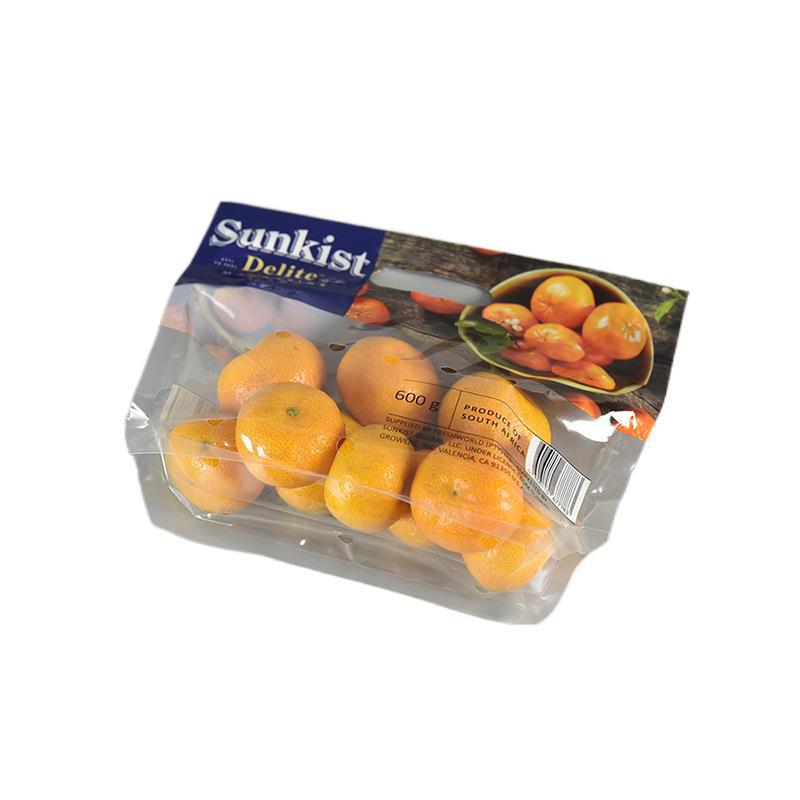
Understanding the Pros and Cons of PET as an Outer Layer in Plastic Packaging
When designing plastic packaging, the outermost layer plays a crucial role not only in protecting the contents but also in delivering strong visual branding. PET (Polyethylene Terephthalate) is among the most commonly used materials for this purpose due to its strength, clarity, and printability. This article explores the advantages and limitations of using PET as the outermost layer in flexible packaging.
Benefits of PET in Packaging
Superior Print Surface
PET provides an extremely smooth surface which supports high-definition custom gravure printing. This allows brands to create sharp, vibrant graphics that stand out on store shelves and remain intact throughout the product's lifecycle.
High Mechanical Strength
PET is known for its excellent tensile strength and resistance to tearing and punctures. This ensures the packaging maintains its integrity during production, transportation, and handling. It also enhances high barrier performance when laminated with other materials like aluminum or PE layers.
Gloss and Matte Versatility
PET films are available in both glossy and matte finishes. A glossy PET finish offers premium shine and brightness, while a matte PET creates a softer, luxurious feel. Some packages also combine the two using SPOT UV pouches, providing contrast and a tactile experience.
Food Safety Compliance
As a food grade material, PET is widely accepted in the food packaging industry. It does not leach harmful chemicals into food products and is suitable for items ranging from snacks to ready-to-eat meals.
Chemical Resistance
PET resists many chemicals, including oils and acidic contents, making it suitable for packaging diverse food products.
Limitations of PET
Limited Heat Tolerance
While PET can handle moderate heat, it can warp or shrink under higher temperatures, which limits its use in retort or microwaveable packaging.
Environmental Impact
Although recyclable, PET is a fossil-derived plastic. Its sustainability depends heavily on proper disposal and the availability of recycling infrastructure in the region.
Stiffness and Rigidity
PET is less flexible than BOPP or MOPP. This rigidity can be a disadvantage in applications requiring soft or squeezable packaging formats.
In conclusion, PET is a dependable and high-performing choice for packaging that requires strength, visual appeal, and custom gravure printing capabilities. Its compatibility with SPOT UV pouches makes it a go-to material for premium brands seeking to combine visual impact with high barrier and food grade safety standards.
READ MORE:



Final3D.png)
