Evaluating MOPP for Outer Packaging Layers – Benefits and Trade-offs
Source:
|
Author:selina
|
Release time:2026-01-12
|
110 Second visit:
|
🔊 Click to read aloud
❚❚
▶
|
Share:
MOPP provides unidirectional strength and flexibility for flexible packaging applications. This article explores how it performs as an outer layer compared to PET and BOPP, and how it supports SPOT UV pouches, high barrier films, and food-safe uses.
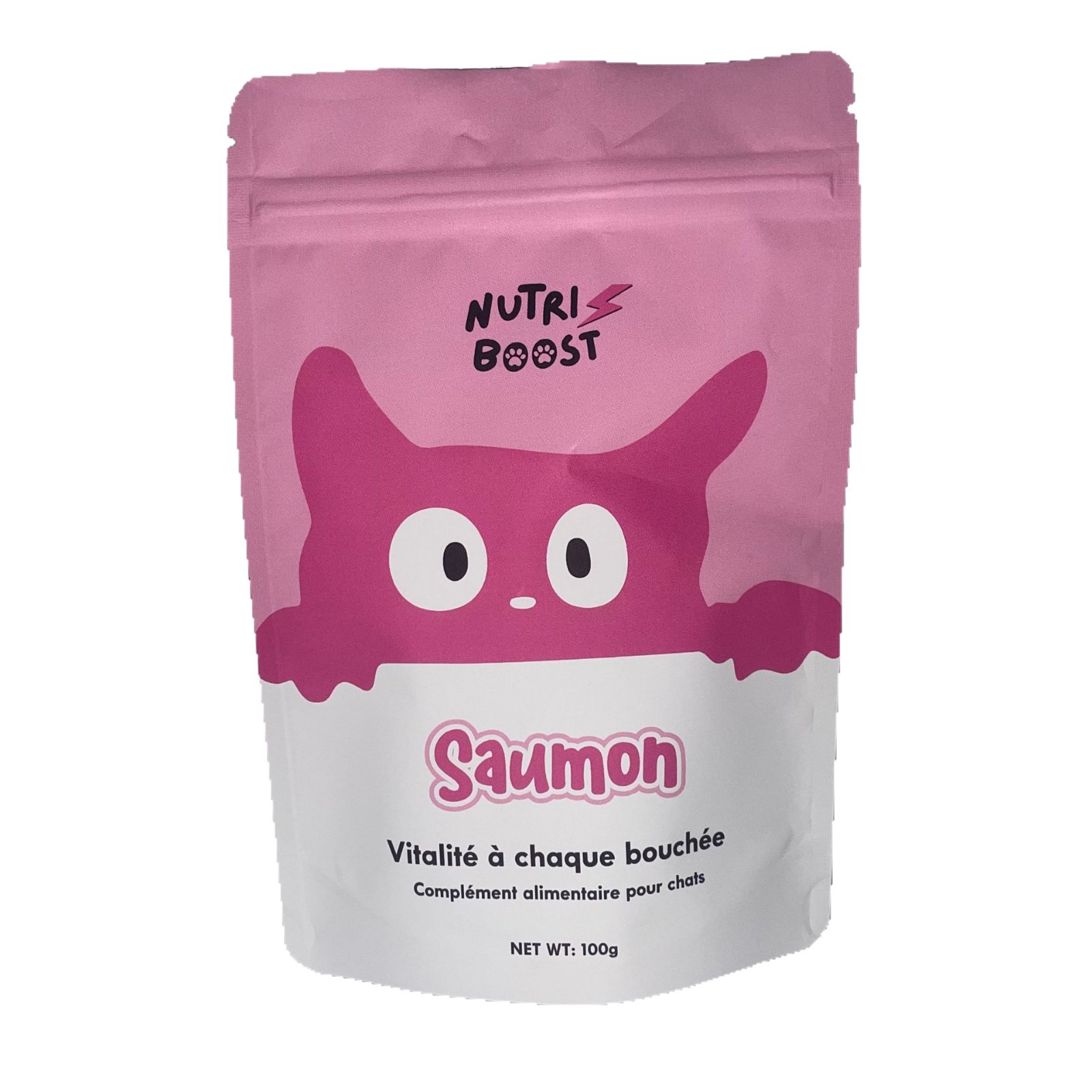
Evaluating MOPP as an Outer Layer in Plastic Packaging: Strengths and Weaknesses
MOPP (Monoaxially Oriented Polypropylene) is a specialized packaging film that has been oriented in one direction, typically the machine direction. While less commonly used than BOPP or PET, MOPP offers unique mechanical properties that make it suitable for specific outer layer applications in flexible packaging. This article explores the potential advantages and limitations of MOPP as the topmost layer in laminated structures.
Advantages of MOPP Film
Excellent Tear Resistance in One Direction
Due to its unidirectional orientation, MOPP provides enhanced resistance to tearing along the machine direction. This makes it ideal for packaging formats requiring tear control, such as easy-open food pouches and strip packs.
Enhanced Flexibility
MOPP is more flexible than PET and exhibits a softer feel, which can improve the consumer experience. This flexibility allows it to work well in packaging that needs to bend, squeeze, or conform to shapes, especially in combination with stiffer inner layers.
Surface for Finishing Treatments
MOPP can be corona treated for improved ink adhesion and is compatible with custom gravure printing. Additionally, it can be combined with SPOT UV pouches, offering striking tactile and visual finishes that elevate the package appearance.
Food Grade Applications
Like other polypropylene films, MOPP is considered food grade and is widely used in packaging dry goods, spices, and snacks, particularly when barrier properties are added through lamination.
Good Lamination Bonding
MOPP adheres well to other films, making it suitable for multi-layer high barrier structures that require a soft outer layer with mechanical strength in a specific direction.
Disadvantages of MOPP
Unidirectional Stability
Since MOPP is oriented in only one direction, it may be prone to shrinkage in the transverse direction during heat exposure, limiting its performance in high-temperature conditions.
Limited Print Smoothness
MOPP lacks the ultra-smooth surface of PET, which might result in slightly reduced print sharpness for high-resolution images unless additional coating is applied.
Niche Availability
Fewer suppliers offer MOPP compared to PET or BOPP, which may increase lead times or minimum order quantities for certain markets.
MOPP is a valuable material for specific use cases requiring directional tear strength and softness, while still supporting custom gravure printing, SPOT UV pouches, and high barrier, food grade designs.
READ MORE:



Final3D.png)
