The Future of Biodegradable Plastic: Innovation, Application, and Global Adoption
The shift from a linear to a circular economy has accelerated the global adoption of biodegradable plastic. Once seen as a niche solution, it is now at the forefront of packaging innovation. With increasing pressure from consumers, regulators, and environmental advocacy groups, the demand for sustainable packaging solutions is growing across industries. As material modification techniques become more advanced and application scenarios broaden, the full potential of biodegradable packaging bags is coming into focus.
Research institutions and manufacturers are working together to develop smarter bioplastics — materials that are strong, adaptable, and tuned for specific degradation environments. These include industrial composting, marine biodegradation, and home compostability. Through material modification, scientists can customize biodegradation rates, enhance water resistance, improve tensile strength, and even add functionalities like UV resistance or anti-fog coatings.
At the same time, governments are enacting legislation that limits or bans single-use plastics, forcing companies to seek environmentally responsible alternatives. This regulatory momentum is unlocking funding and incentives for companies to transition their supply chains. From small e-commerce startups to global retailers, biodegradable packaging bags are being incorporated into core product lines.
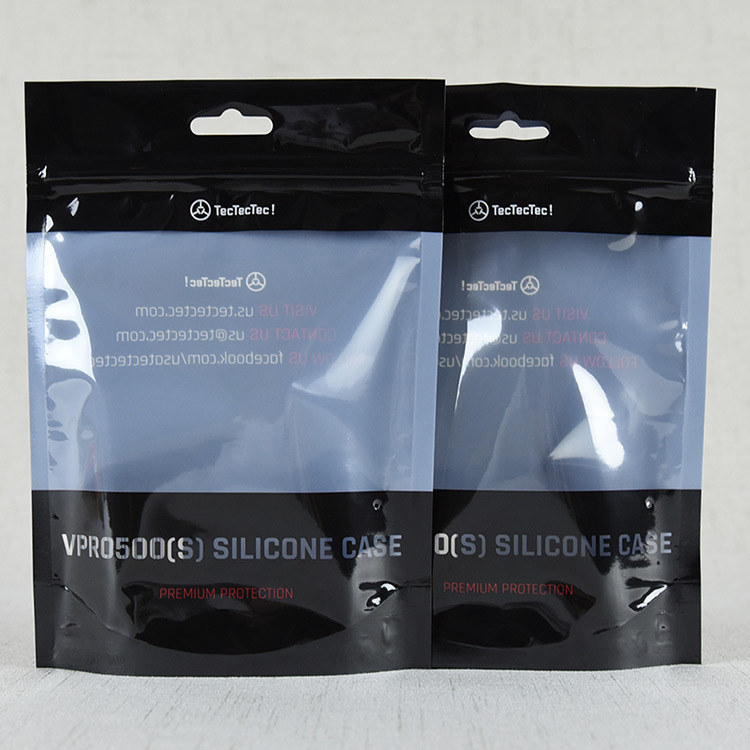
Retail packaging remains one of the most visible frontiers of this shift. More than ever, packaging is a branding opportunity — one that must now signal both luxury and responsibility. Companies are responding with custom biodegradable pouches, mailers, and wraps that are compostable yet visually appealing. These materials offer soft-touch finishes, crisp print clarity, and resealable designs — all while remaining plastic-free and planet-friendly.
In the logistics and food industries, application scenarios are growing as well. Compostable insulation panels for cold-chain shipping, biodegradable stretch films for pallets, and flexible vacuum-sealed food packaging are all entering commercial circulation. These examples highlight that biodegradable plastic is not just for niche items but can scale for mass-market use when engineered properly.
Looking ahead, collaboration between polymer scientists, packaging designers, and policymakers will be crucial. As biodegradable plastic continues to evolve, it holds the potential to become the default material for packaging, rather than the exception. The future will be shaped by materials that are both high-performing and environmentally regenerative.
Ultimately, biodegradable packaging bags represent more than just a trend — they symbolize a systemic change in how we design, produce, and discard packaging in a resource-conscious world.
READ MORE:



Final3D.png)
