Material Innovation in Biodegradable Plastic: Meeting Retail Demands
As industries across the globe confront mounting environmental concerns, biodegradable plastic has risen to prominence as a viable alternative to conventional plastic materials. However, one of the key drivers that enables biodegradable packaging to meet real-world demands is material modification — a scientific process that fine-tunes the physical, chemical, and performance properties of biodegradable polymers to match the expectations of commercial use, particularly in retail packaging.
Early biodegradable plastics faced limitations such as brittleness, low resistance to moisture and oxygen, and poor structural integrity. Through material modification, these challenges are being systematically addressed. Techniques such as blending PLA with PBAT (polybutylene adipate terephthalate), incorporating natural fibers like cellulose or bamboo, and utilizing nano-fillers are now common practices. These modifications improve tensile strength, elasticity, transparency, and barrier properties, bringing biodegradable options closer to the performance levels of conventional plastics.
This advancement has directly benefited the development and deployment of biodegradable packaging bags in the retail sector. In an era where customer experience and brand image are heavily influenced by packaging, retailers must strike a balance between sustainability and presentation. Today’s biodegradable packaging can support full-color printing, custom textures, resealable features, and structural shapes — without sacrificing compostability or recyclability.
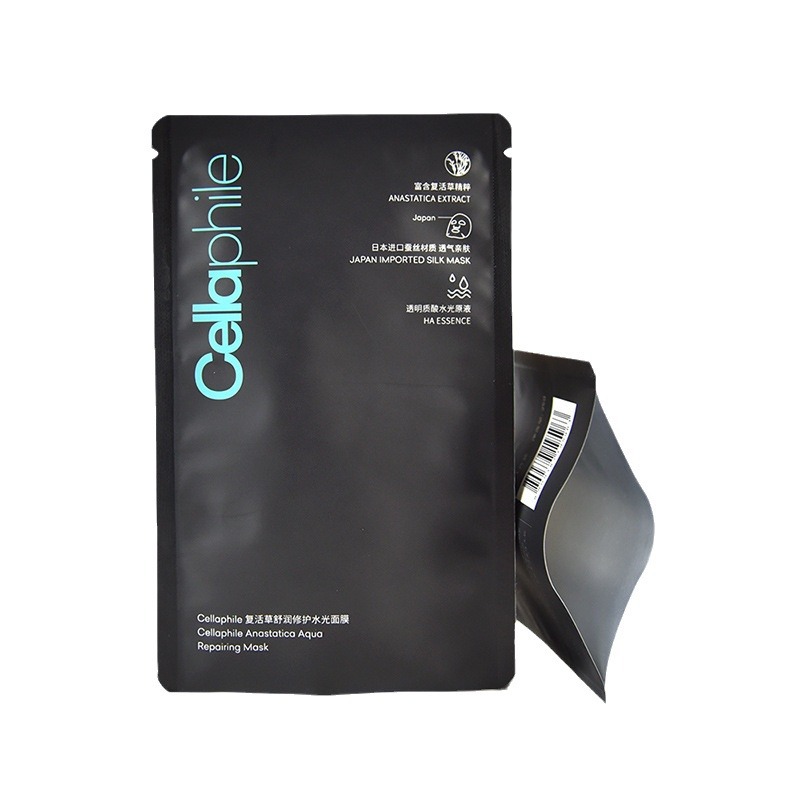
Retail packaging made from biodegradable materials is now being used in a variety of segments including fashion, personal care, food, and electronics. Boutique clothing brands often use soft-touch biodegradable bags with minimalist branding, while organic cosmetic brands favor biodegradable zip pouches for skincare samples. These products not only reduce environmental impact but also reinforce the brand’s values in the eyes of eco-conscious consumers.
Beyond retail, these materials are finding new application scenarios such as event merchandise, subscription box delivery, and even high-end promotional kits. Biodegradable plastic is no longer limited to simple grocery bags — it is now an enabler of premium, planet-friendly experiences.
As sustainability becomes a cornerstone of product strategy, material modification will remain at the heart of biodegradable innovation. Through science-backed formulation and design, biodegradable packaging bags are evolving from eco-compromise to eco-excellence, shaping the future of responsible retail.
READ MORE:



Final3D.png)
