Expanding Application Scenarios for Biodegradable Plastic Packaging
The global focus on sustainability has accelerated the development and deployment of biodegradable plastic in packaging solutions. Initially introduced as an alternative to traditional plastic bags, these eco-friendly materials have now diversified across multiple sectors. The evolution of application scenarios, backed by scientific progress in material modification, is pushing biodegradable packaging bags into the mainstream of packaging design and usage.
In the food industry, biodegradable packaging has gone beyond compostable containers. Supermarkets now use biodegradable produce bags, bakery wraps, and takeaway boxes. These products are designed to retain freshness and withstand moisture, heat, and grease — all thanks to advances in material modification that tailor biopolymers like PLA, PHA, and PBS to specific product requirements.
In agriculture, the shift is equally significant. Farmers are replacing traditional plastic mulch films with biodegradable alternatives that not only support crop growth but also disintegrate in the soil post-harvest. This eliminates the need for costly and labor-intensive plastic retrieval. Seedling pots and fertilizer pouches made from biodegradable plastic further reduce long-term soil contamination.
Healthcare providers are also adopting biodegradable packaging bags for items such as sterilization wraps, pill blister packaging, and disposable gloves. In these sensitive environments, packaging must provide protection from contamination while offering controlled biodegradation — again achieved through precise material modification.
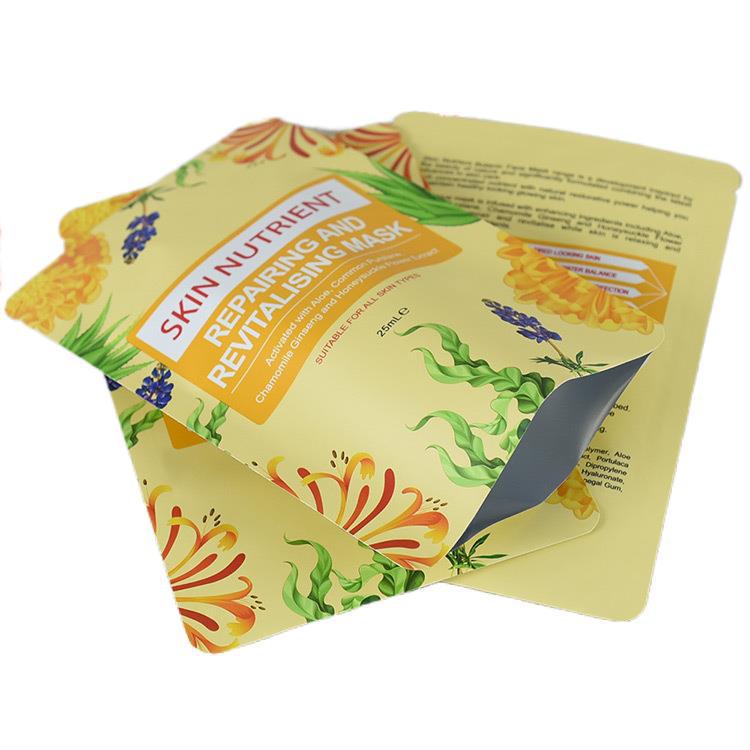
One of the most impactful shifts is happening in retail packaging. Brands are now expected to align their packaging practices with sustainability goals. From biodegradable garment bags and zip pouches to compostable e-commerce mailers, the retail world is embracing packaging that not only looks premium but decomposes responsibly. Consumers appreciate the convenience of resealable, printable, and durable bags that align with their environmental values.
Beyond these traditional uses, new application scenarios are emerging. Event organizers are distributing merchandise in biodegradable tote bags. Electronics companies are exploring static-resistant biodegradable films for packaging sensitive components. Even the furniture industry is testing compostable protective wrappings for product transport.
In short, the ability of biodegradable plastic to serve such diverse functions is a direct result of the continuous innovation in material modification. As industries discover new use cases, the role of biodegradable packaging in supporting a circular economy will only expand — reducing our reliance on fossil-derived plastics and paving the way for a cleaner future.
READ MORE:



Final3D.png)
