The Evolution of Biodegradable Plastic Packaging: Innovation and Applications
In response to escalating environmental challenges and increasing legislative pressure to reduce plastic waste, biodegradable plastic packaging has emerged as a viable and sustainable alternative to traditional petroleum-based plastics. These eco-conscious materials are designed to decompose naturally through microbial activity, significantly reducing their environmental footprint. The rise of biodegradable packaging bags is not merely a trend, but a reflection of a global shift toward sustainable production and consumption models.
Advancements in material modification have enabled researchers and manufacturers to develop biodegradable plastics with improved mechanical strength, elasticity, water resistance, and shelf life. This is a crucial factor in ensuring these materials can compete with conventional plastics across a wide range of application scenarios. Polymers like PLA (polylactic acid), PHA (polyhydroxyalkanoates), and starch-based composites are being engineered to balance performance with ecological compatibility.
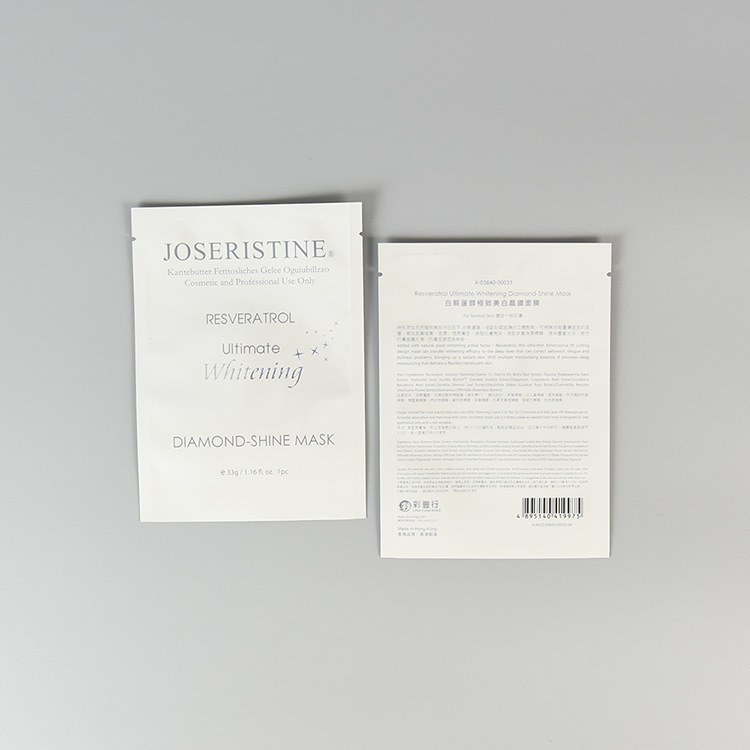
One of the key sectors driving adoption is retail packaging. With consumers demanding environmentally responsible products, brands are under pressure to reduce their ecological impact while maintaining quality and aesthetics. Biodegradable bags used in fashion, cosmetics, and grocery packaging are becoming increasingly sophisticated — they are now printable, transparent, resealable, and often compostable. Material modification techniques allow these features to coexist with biodegradability, which was once considered a limiting factor.
Additionally, biodegradable packaging bags are finding use in areas like agriculture, food services, logistics, and healthcare. For example, biodegradable mulch films help maintain soil health, and compostable takeaway containers are gaining traction in the food and beverage industry. As application scenarios expand, the need for tailored formulations that meet industry-specific requirements grows, further fueling research in polymer science.
As industries move toward circular economy models, the integration of biodegradable materials will become standard rather than optional. Governments, NGOs, and multinational corporations are aligning their sustainability strategies, with packaging as a focal point. Through ongoing innovation in material modification, biodegradable plastic will continue to evolve, offering safer, cleaner, and more effective packaging solutions across the globe.
READ MORE:



Final3D.png)
