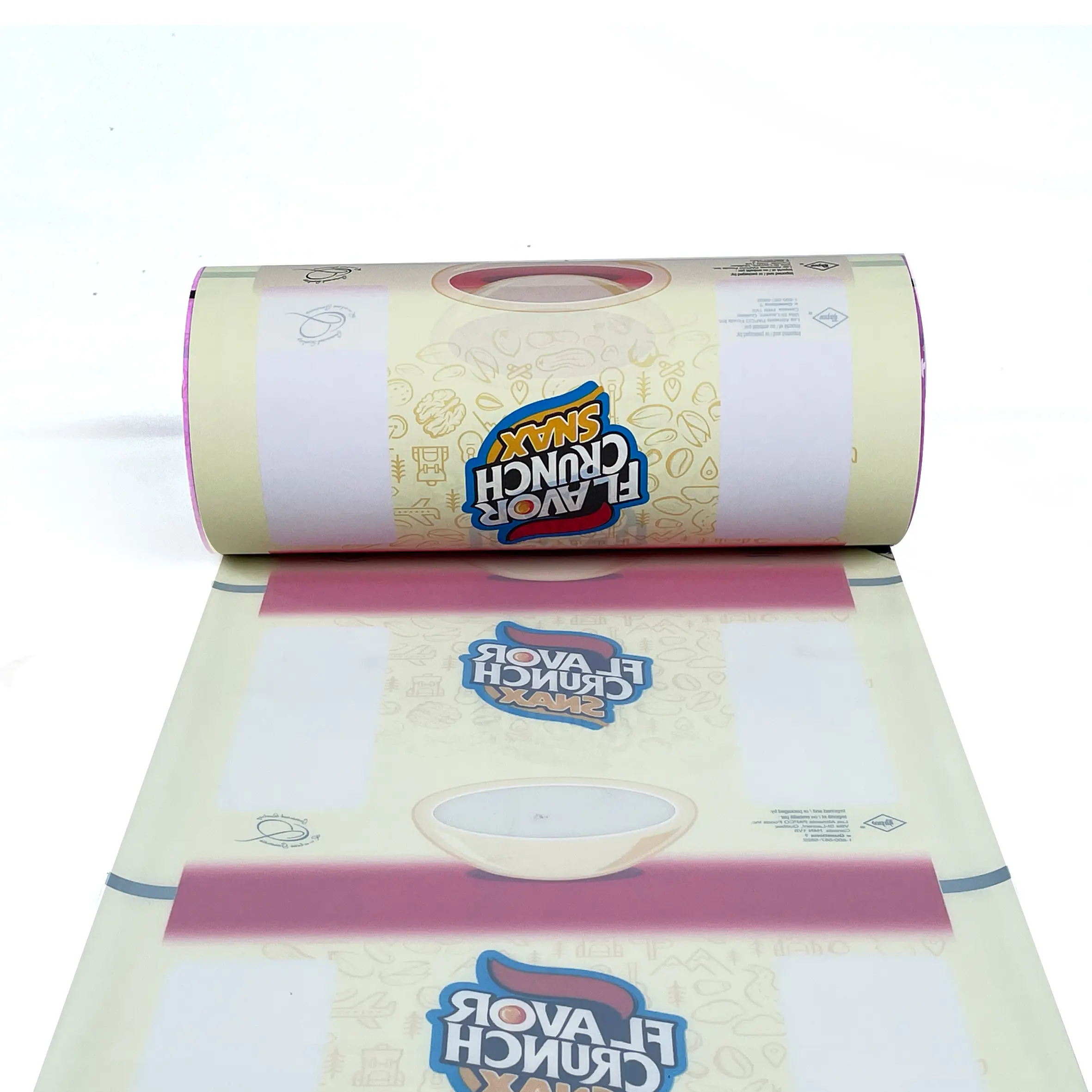
Why Rollstock Film is Transforming Food Packaging
  In the fast-paced food industry, packaging is more than just a protective layer. It is a powerful tool that impacts product safety, shelf life, and consumer appeal. Companies today face growing pressure to deliver packaging that not only safeguards products but also communicates brand quality. Rollstock film has emerged as a transformative solution that delivers all these benefits in one versatile format.
1. High-Speed Packaging for Modern Demands
  One of the strongest advantages of rollstock film is its compatibility with automated form-fill-seal machines. This integration supports large-scale production lines, where speed and efficiency are crucial. By using film rolls, manufacturers can significantly increase throughput while minimizing downtime, ensuring they remain competitive in a high-demand market.
2. Branding with Precision
  Packaging is often the first interaction a consumer has with a product. Thanks to custom gravure printing, roll film enables brands to deliver consistent, vibrant, and high-resolution graphics. This printing method allows companies to showcase detailed artwork and logos, reinforcing brand identity. Strong visual presentation is especially important in food packaging, where shelf impact directly influences purchasing decisions.
3. Food Grade Safety and Compliance
  Safety is a non-negotiable aspect of food packaging. Rollstock film can be engineered to meet food grade certifications such as FDA and EU standards, making it suitable for direct contact with consumables. These films also provide excellent barrier properties against oxygen, moisture, and external contaminants. By protecting contents, roll film extends product shelf life while ensuring consumer trust.
4. Versatility Across Food Categories
  Another defining strength of rollstock is its versatility. It can be applied to a wide variety of formats, including pillow packs, sachets, and stand-up pouches. Whether the product is dry snacks, frozen vegetables, powdered supplements, or ready-to-eat meals, roll film adapts seamlessly. This flexibility allows companies to streamline operations by using one packaging solution across multiple product categories.
5. Eco-Friendly Developments
  Sustainability has become a core expectation among modern consumers. In response, manufacturers are increasingly investing in recyclable and biodegradable roll films. These sustainable innovations help reduce packaging waste while maintaining performance, ensuring that food remains fresh and safe. The ability to balance eco-consciousness with efficiency positions rollstock as a future-ready material.
6. A Strategic Choice for Growth
  For businesses in the food sector, adopting rollstock film is more than an operational decision—it is a strategic move. With its combination of speed, safety, branding potential, and sustainability, roll film supports both current needs and long-term growth. As markets evolve, companies that embrace this flexible material will be better equipped to meet consumer expectations and regulatory requirements.
READ MORE



Final3D.png)
