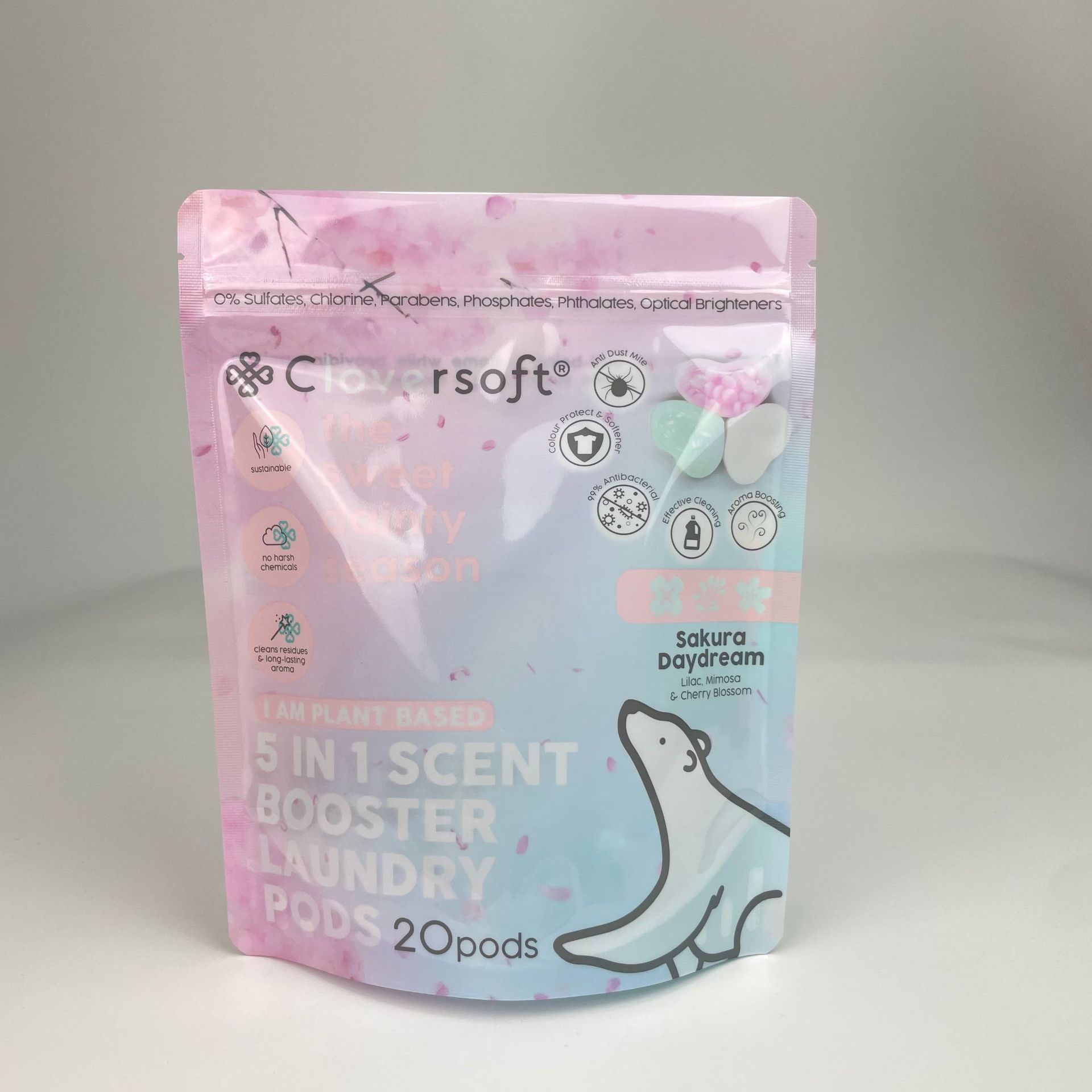
Performance Comparison of PE, PP, BOPP, and Laminated Packaging Films
In today’s competitive packaging industry, selecting the right plastic material is essential for product protection, shelf life, and cost efficiency. Among the most widely used materials are Polyethylene (PE), Polypropylene (PP), Biaxially Oriented Polypropylene (BOPP), and Laminated Films. Each of these has its own advantages and trade-offs in terms of performance and price. This article explores their differences based on key criteria including Temperature Resistance, Barrier Property (Oxygen/Water Vapor Barrier), Puncture Resistance, Flexibility/Ductility, Heat Sealability, and Cost Difference/Cost Variation.
PE (Polyethylene):
PE is highly flexible and affordable, making it ideal for packaging that requires durability and stretchability. It has excellent Flexibility/Ductility, which allows it to perform well under pressure and during transportation. However, its Barrier Property (Oxygen/Water Vapor Barrier) is relatively low, limiting its use for moisture- or oxygen-sensitive goods. PE performs well under cold conditions, demonstrating moderate Temperature Resistance, making it suitable for frozen food applications. It also offers excellent Heat Sealability, ensuring secure closures. The Cost Difference/Cost Variation with PE is minimal, making it a cost-effective choice for large-scale production.
PP (Polypropylene):
PP has better Temperature Resistance than PE, making it suitable for microwaveable packaging and hot-fill products. Its Barrier Property is slightly higher than that of PE, though still moderate. PP is more rigid, so it sacrifices Flexibility/Ductility in favor of Puncture Resistance. It offers acceptable Heat Sealability, though it often requires specific equipment to ensure consistent sealing. Cost Variation is low to moderate, depending on the film grade and supplier.
BOPP (Biaxially Oriented Polypropylene):
BOPP is popular for its clarity, printability, and strength. It is ideal for snack food packaging and labeling. BOPP offers decent Barrier Property (Oxygen/Water Vapor Barrier) and strong Puncture Resistance when laminated. However, it is less flexible and lacks Flexibility/Ductility on its own. Heat Sealability is limited unless coated or laminated with PE. Cost Difference depends on whether it's used alone or in a composite form.
Laminated Films:
Laminated films combine two or more materials for optimal performance. They offer excellent Temperature Resistance and the highest Barrier Property (Oxygen/Water Vapor Barrier). This makes them ideal for high-value items and long-shelf-life products. They score well in both Puncture Resistance and Flexibility/Ductility, thanks to layered construction. With excellent Heat Sealability, laminated films are widely used in automated packaging lines. However, the Cost Variation is the highest due to material and production complexity.
Conclusion:
Each material has unique strengths. PE is cost-effective and flexible; PP is good for heat applications; BOPP is great for visual appeal; laminated films provide top-tier protection. Select based on your packaging needs.
READ MORE:



Final3D.png)
