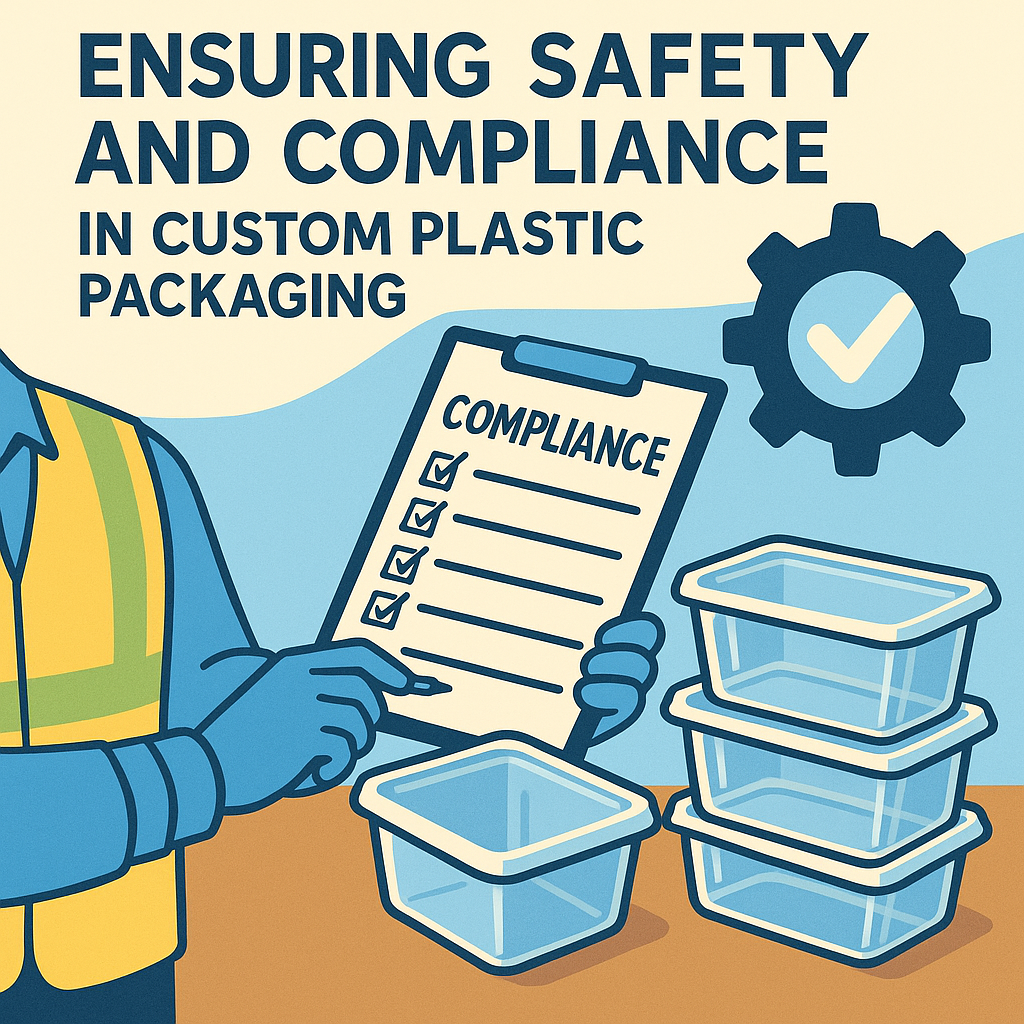
Ensuring Safety and Compliance in Custom Plastic Packaging
In today’s competitive packaging landscape, safety and regulatory compliance are not just formalities—they are fundamental to brand protection and consumer trust. As companies increasingly turn to custom plastic packaging to differentiate their products, they must also ensure that their solutions meet industry safety standards.
Material Matters in Packaging Safety
The foundation of safe packaging lies in using approved, non-toxic materials. This is especially critical for products like food, beverages, pharmaceuticals, and cosmetics. Packaging materials must be certified for direct contact, ensuring that harmful chemicals do not migrate into the product. By opting for food-safe plastics and high-barrier films, businesses can provide long shelf life while safeguarding health.
Navigating Regulatory Requirements
Different regions have different packaging regulations. In the U.S., the FDA outlines strict requirements for food contact materials, while the EU imposes standards on recyclability and material transparency. Businesses exporting globally must understand and comply with these regulations to avoid fines and rejected shipments.
  Working with packaging suppliers experienced in international compliance can simplify this process. From documentation support to using tested materials, a compliance-ready approach minimizes risks during market expansion.
Enhanced Safety Features
Tamper-evident closures are one of the most effective ways to ensure safety. These designs reveal any attempts at opening before purchase, assuring customers of product integrity. In sectors like pharmaceuticals or cannabis, child-resistant zippers add another layer of essential protection.
  Traceability is also gaining ground in packaging. Batch codes, expiry dates, and scannable QR codes help track products through the supply chain, enhancing transparency and enabling faster recalls if necessary.
Effective Communication Through Design
Beyond the physical materials and structure, labeling plays a major role in compliance. Custom packaging should include clearly printed instructions, nutritional facts, allergen warnings, and contact information. Poor labeling can lead to legal complications or consumer confusion.
Advanced printing techniques support both compliance and branding. Businesses can use high-quality printing to highlight essential safety icons while preserving design consistency.
Building Trust Through Compliance
Adhering to safety and compliance standards is not just about avoiding penalties—it strengthens consumer trust. Clear communication, secure closures, and certified materials all send a message that the brand values consumer well-being. Over time, this trust translates into loyalty, repeat purchases, and a stronger market position.



Final3D.png)
